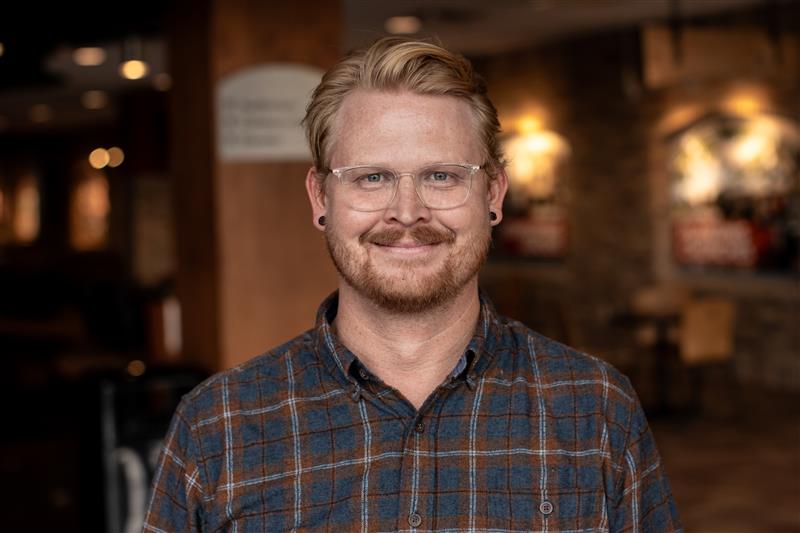
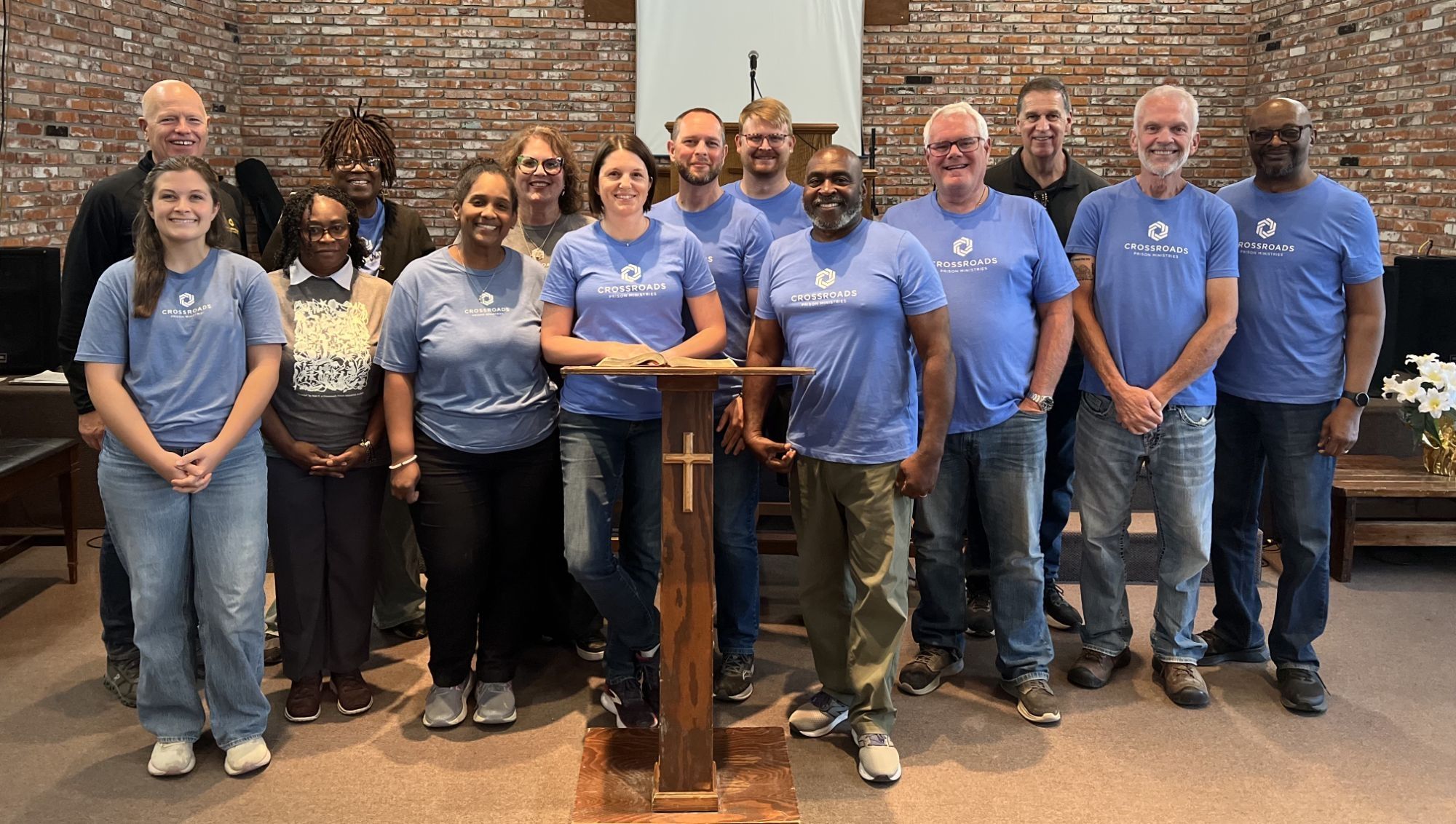
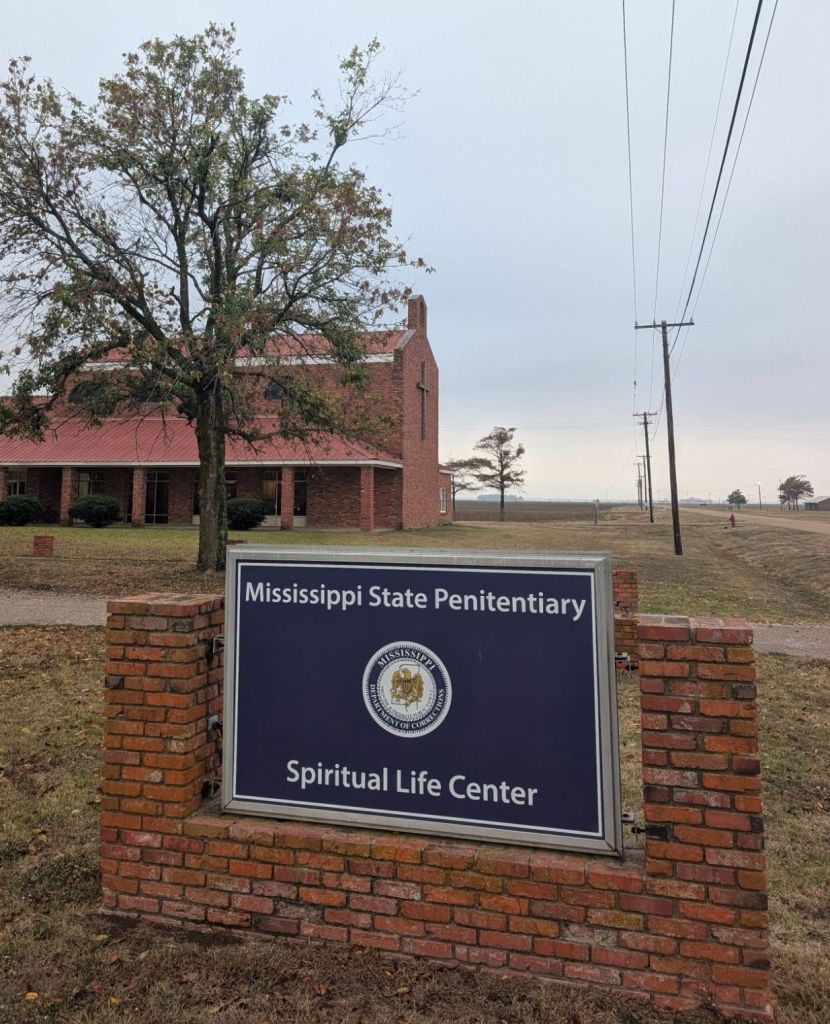
In late October of 2026, I was honored to join Crossroads Prison Ministries on a service trip to Mississippi State Penitentiary (Parchman Farm). Pastor James Jones (a 70×7 Life Recovery board member) and I stayed on the compound in the Spiritual Life Center with the team, volunteered for a Family Day event, guest-spoke at worship services, and signed inmates up for Crossroads’ correspondence courses. That was what we did… But unpacking the emotional and spiritual impact of this four-day trip will take much more than a paragraph.
Over time, I might be able to simplify this experience into bite-sized stories or focused articles. However, as I sit on the plane headed home and review the journal entries below, I am at a total loss as to how I could make sense of this for myself, let alone share what I just experienced in a digestible format. So, for now, I’ll just share some of the photos and daily reflections I captured. I hope this helps raise awareness of what’s going on in some American prisons, and how people of faith are navigating the collective trauma of mass incarceration and the death penalty.
Friday Night
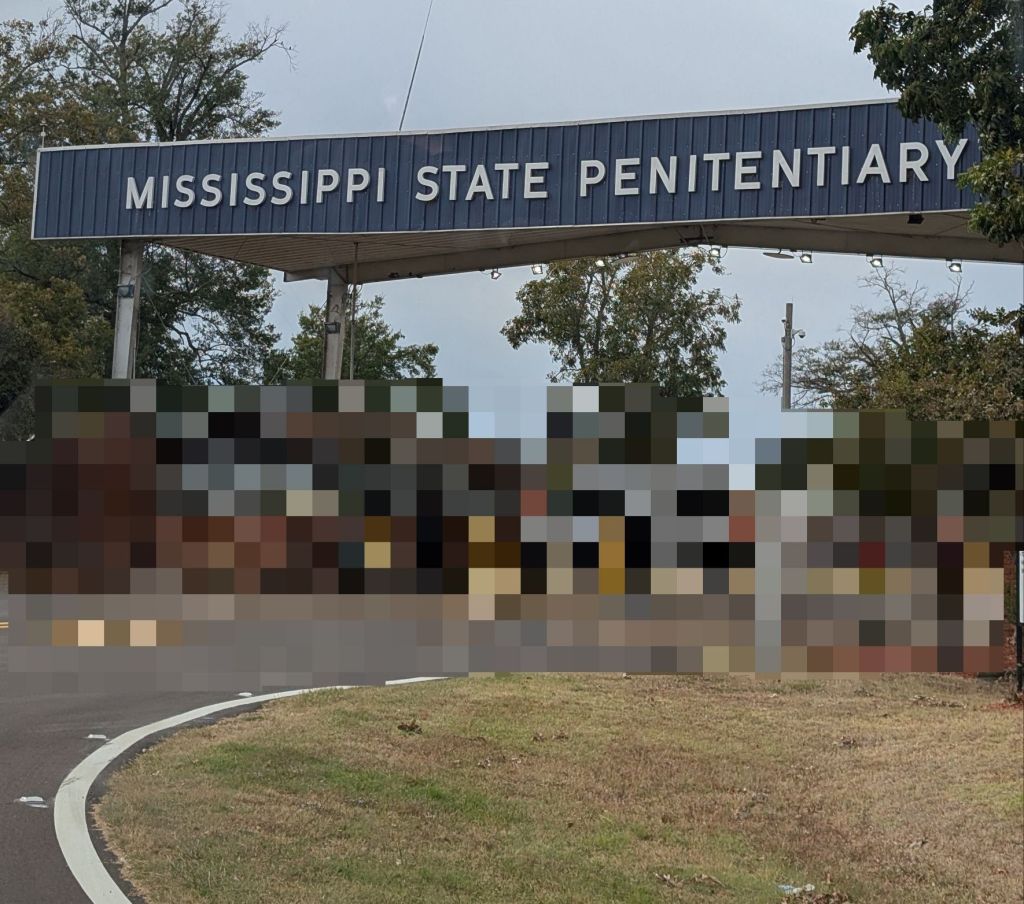
After a long day of travel, we arrived at Mississippi State Penitentiary. What struck me as odd immediately was that there was no fence. The guards at the front gate screened visitors and searched vehicles coming and going, but the perimeter of the property was wide open. Once past the gate, there were inmates wearing green and white striped pants taking care of the property, washing fire trucks, and buzzing around on ATVs. As we arrived at the Spiritual Life Center, we were greeted by inmates in the same pants wearing “Field Minister” shirts. We learned very quickly that this was unlike any prison we had ever visited.
One of the Field Ministers explained to our group that the lowest level of security is awarded to inmates with exceptional behavior, and they are given the title of Steward along with various responsibilities for running the non-security functions of the prison. Inmates who have achieved Steward and also completed the Seminary undergrad program were Field Ministers and assisted staff Chaplains and inmate Pastors in facilitating the programs of the Faith-Based initiative. Across the 18,000 acres of land that make up Parchman Farm, there are many units with higher levels of security and more traditional measures in place. However, these men were integral parts of the community who had proven trustworthy and been given roles in the mission of bringing order, hope, and peace to the prison.
After we got settled in, we visited a worship service in one of the larger units known for its gang activity. We met the Pastors who live in and serve this community. We heard excellent and original soul-filled worship music, and we watched as this community of faith engaged their mission field with courage and passion. Where I expected to find darkness and depravity, the children of God are shining like torches in the night, leading the way to faith and community inclusion.
Saturday Morning
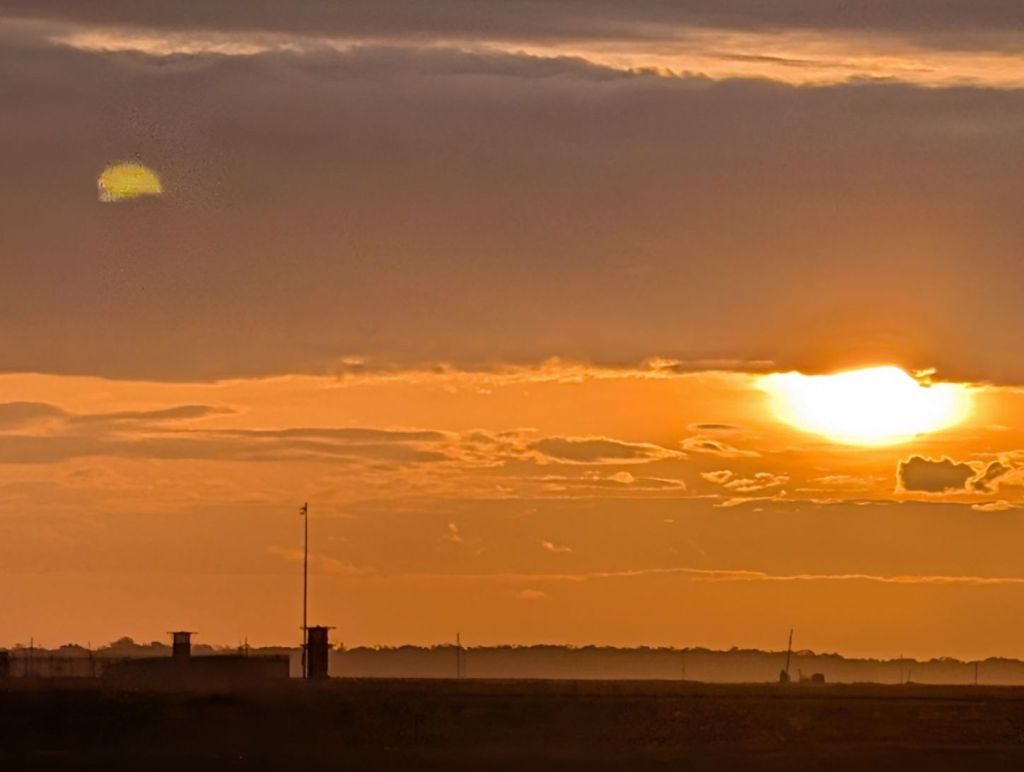
I woke up in Mississippi on this Saturday morning to a chill October wind lofting across the cotton fields of Parchman Farm. This place has been known across the South for over a century as hell on Earth. Founded in 1901 and modeled after pre-civil war slave run cotton plantations, this facility has a history of wrongful conviction, racially motivated brutality, and legalized torture. Parchman Farm has been immortalized in blues songs as a place where hope comes to die, and was a flashpoint during the civil rights era for the detention of freedom riders. Yet, there’s a light here…
Heaven’s eye has always been on the souls who toiled this land, and its gates have opened wide over the last half-century, releasing the full redemptive force of God’s kingdom. Love is here. There’s a movement of prayer, service, and hope built on the unbreakable spirits of the men who came before. The state has taken steps in recent years to correct the inhuman conditions, and the church, in all its stubborn beauty, has blossomed through the cracks in the concrete. Undaunted by the brokenness of this world, God’s family welcomes lost souls into restorative community.
Saturday Afternoon
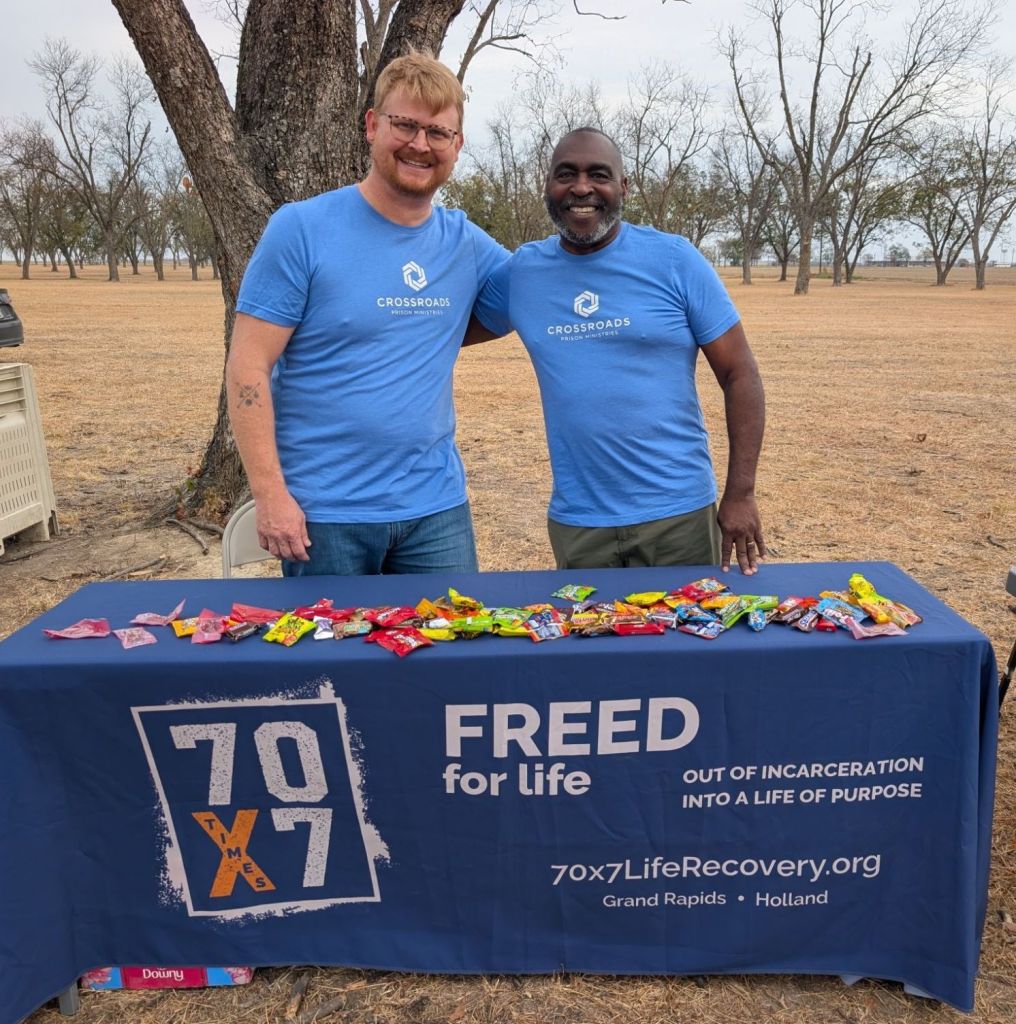
One of the reasons our group stayed at Mississippi State Penitentiary for a weekend was to help with Family Day. Twice a year, families can come to the prison grounds to visit their loved ones who are on the lowest security level and have gone one year without any violations. In a pecan grove at the far edge of the 28-square-mile compound, inmates have been preparing for months for this day. They have built a covered stage and a bathhouse. They brought out the horses, puppies, and pheasants for the kids. Bounce houses litter the back of the field, and tables with chairs are scattered through the center for families to spend time visiting together. With grills smoking and a band playing, the scene is set with hope and anticipation for reconnection and quality time.
As our volunteer team was setting up our trick-or-treat station, I saw a man by a grill lift his head quickly and turn around as someone called his name… He threw open his arms, spatula still in hand, as an elementary-age girl ran into his embrace. They froze in time. A moment of reconnection and restoration. A moment of hope fulfilled. A moment of Heaven on Earth. I don’t know their story, but I imagine my own… what if my hugs had to be scheduled? What if my kids knew me primarily through letters? Regardless of what that man had done, today his tragedy got a dose of restoration.
Saturday Evening
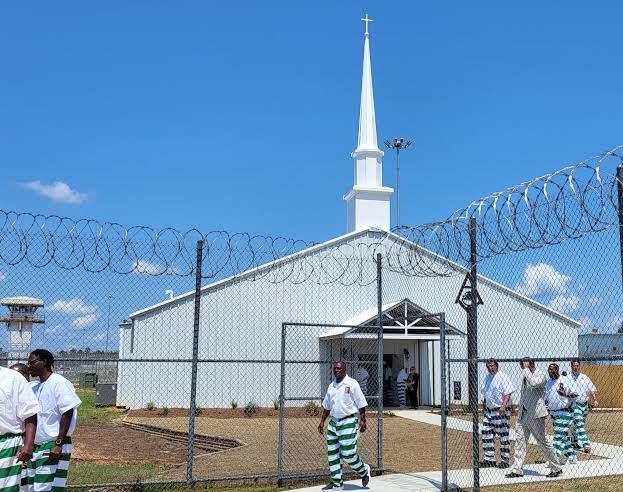
After a fulfilling but exhausting day of sitting in the front row as families reconnected over trick-or-treating, pumpkin painting, carriage rides, and shared meals, our team took a quick break before going back into Unit 30 for another church service. There are five distinct churches that meet in this unit of about 850 men. Tonight, Grace Church is full from front to back, and the ministry leadership team fills the row behind our volunteers to ensure that we can worship safely. The room is filled with the voices of men singing and telling stories of hope and joy.
After a time of worship and encouragement, a young church leader, who is serving a life sentence, welcomed a new believer forward to be baptized. He was nervous, but visibly excited. When asked if he put his faith in Jesus and the power of the Resurrection, he paused and gave the unscripted answer of “with all of my heart!” The assembly cheered in celebration as another son was adopted into the family of God.
On our first night here, one of the inmate stewards at the Spiritual Life Center named Midnight said jokingly, but frankly, “Don’t think you’re bringing anything here that we don’t already have!” We are finding this statement to be very true. The Church is thriving on Parchman Farm in every unit we visited. Holy Spirit is moving to bring restoration and inclusion into God’s family, and we are just spectators of the redemption that God has been unfolding here over the last 120 years. If anything, I think the church on the outside has a lot to learn from the church inside about faith, discipleship, and true life surrender.
Sunday Morning
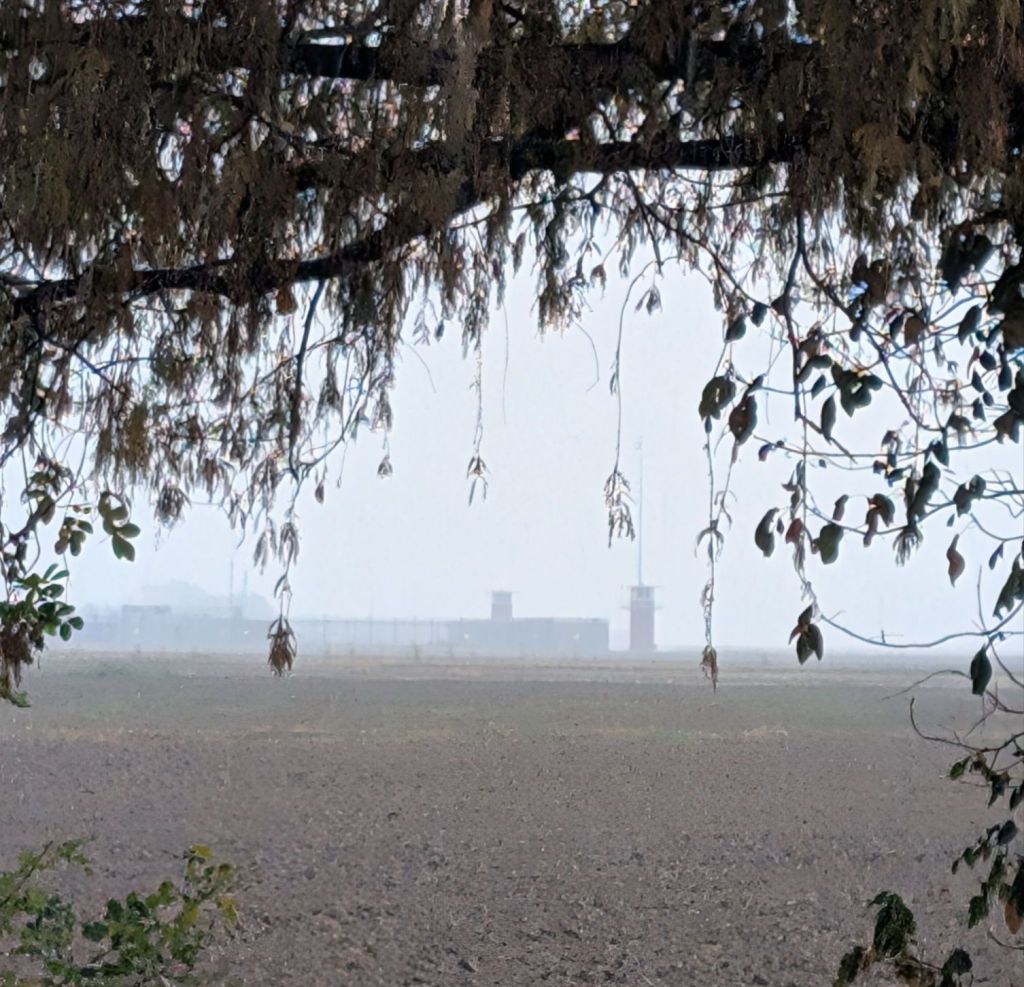
Today we will spend time in five different units joining various church services. Our visit to the first unit was canceled, and we pivoted to join the church service happening in Unit 17… death row.
So far, our visits have been in low-level security units and marked by friendly staff and simple and effective processes of accountability and safety. This unit is different. As we pulled into the parking lot, the stereotypical towers loom over the guard house with watchful eyes ready for any situation. Security is high and tight, and there are multiple barred doors separating the cool Sunday Morning breeze from the stale interior of the facility. However, as we make our way through security, I can hear the familiar strums of an acoustic guitar and men’s voices raised in worship. Songs, poetry, and cheerful greetings fill the corridor connecting the different wings of the unit. Of all places, the church is here… stubbornly resisting depression and despair, and cheerfully sharing in the fellowship of all God’s people on this Sabbath morning.
As 13 volunteers filter in and join the 12 Men already gathered for worship, we find our places and a new song starts… “By Your spirit I will rise from the ashes of defeat, the resurrected King, is resurrecting me. The tomb where soldiers watched in vain was borrowed for three days. His body there would not remain. Our God has robbed the grave!”
I wasn’t ready… Hearing these 12 men living in what has affectionately and stubbornly been nicknamed “Life Row” sing these words of hope tore something in my heart. Faith has a sharper edge when you’re staring down the death penalty. You can’t forget that there is an end because it’s in sight every morning. Hope the eternal soul is tangible when it’s your best chance of freedom. In some strange way, it’s not supposed to be like this, and yet this is exactly how it’s supposed to be. Those who trust in Christ have a hope that death cannot take away. When these men sing “our God has robbed the grave”, they do so from a place of desperate and wholehearted belief that all things will be right eventually, even if it’s not in this life.
As we were getting to know each other after service, it struck me that this is a type of environment that the first church lived in regularly. The scriptures and songs from the roots of the Christian faith were recorded by people who lived in such uncertainty that tomorrow wasn’t depended on. They had to live each day in wholehearted dependence on God’s provision for survival and joy. I can’t help but feel that this church on “Life Row” has more in common with the founders of our faith than I will ever truly understand.
Sunday Afternoon
This afternoon we got to worship with two low-level security units. What struck me in both places were the men who were preparing for parole. Specifically, the ones who were terrified to get out. One man had been in for 12 years. During that time he found faith, sobriety, and community. He felt that he had truly become a different man in Prison. He woke up every day both excited to build a life after incarceration and terrified to leave his church family. “These men are a big part of who I’ve become, and I’m not sure I know how to do life without them.” My conversation with him was a stark reminder of the many levels of loss that incarceration brings that many of us can’t even begin to understand.
Another man was just days from release after 20 years of incarceration. His parents were coming to pick him up. They had prepared clothes, money, a car, and a room for him. Yet, he was in tears, telling our group how scared he was to get back into drugs and lose his hard-fought emotional and spiritual health. All thirteen of us surrounded him and prayed a blessing of courage, provision, and wisdom over him. When we were done, he looked visibly lighter as he laughed and thanked us. These two interactions reminded me of how much we depend on one another. We were created for community, and these men were about to lose the lifeline they’d found in prison.
One of the most inspiring parts of this trip has been listening to our group members who have also been incarcerated tell their story and encourage the men to continue building lives of faith and integrity in order to be ready for any opportunity. When they speak, there is a quiet reverence that I believe is a sign that hope and purpose are taking root in their hearts as they choose to imagine life after incarceration.
Sunday Evening
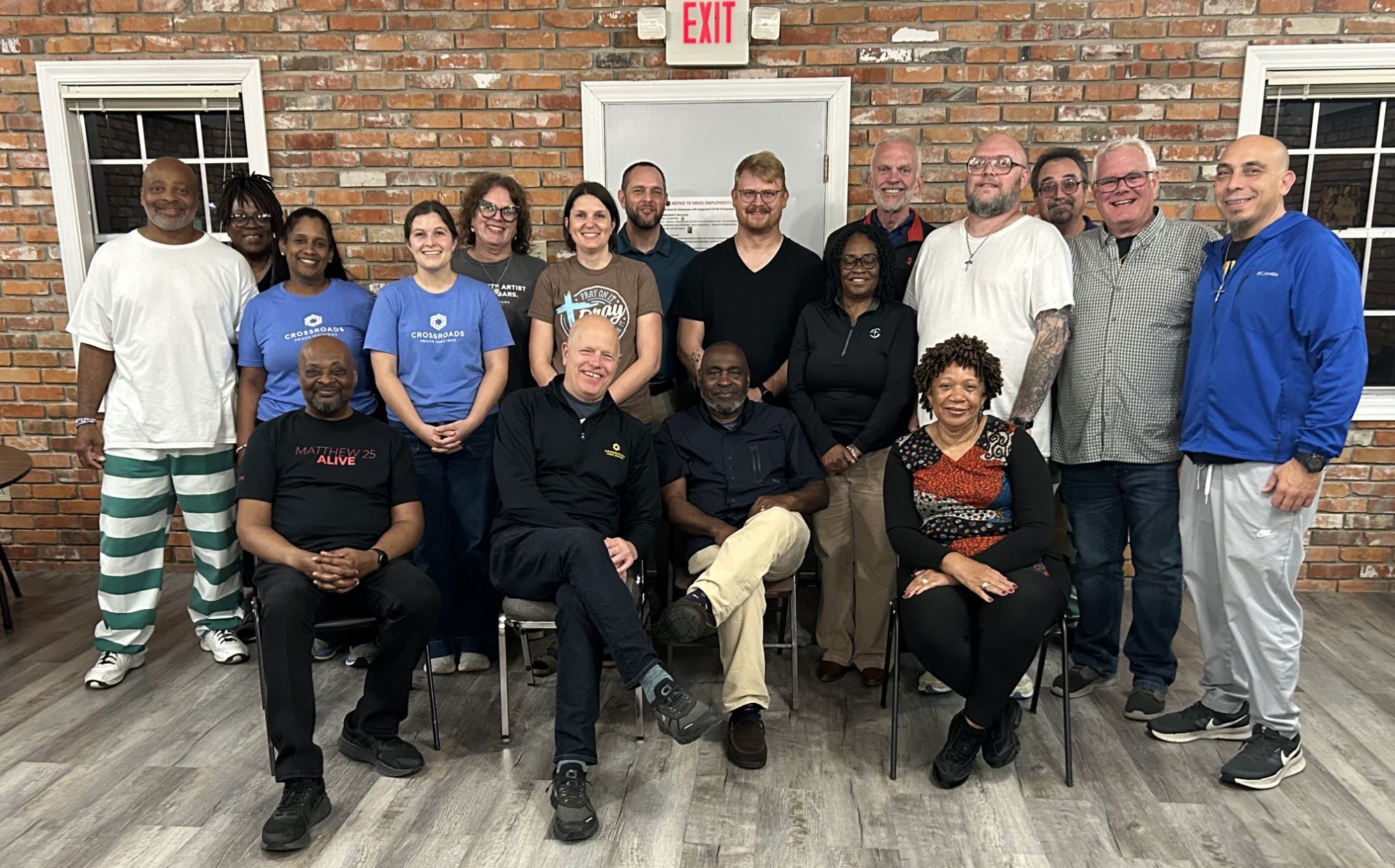
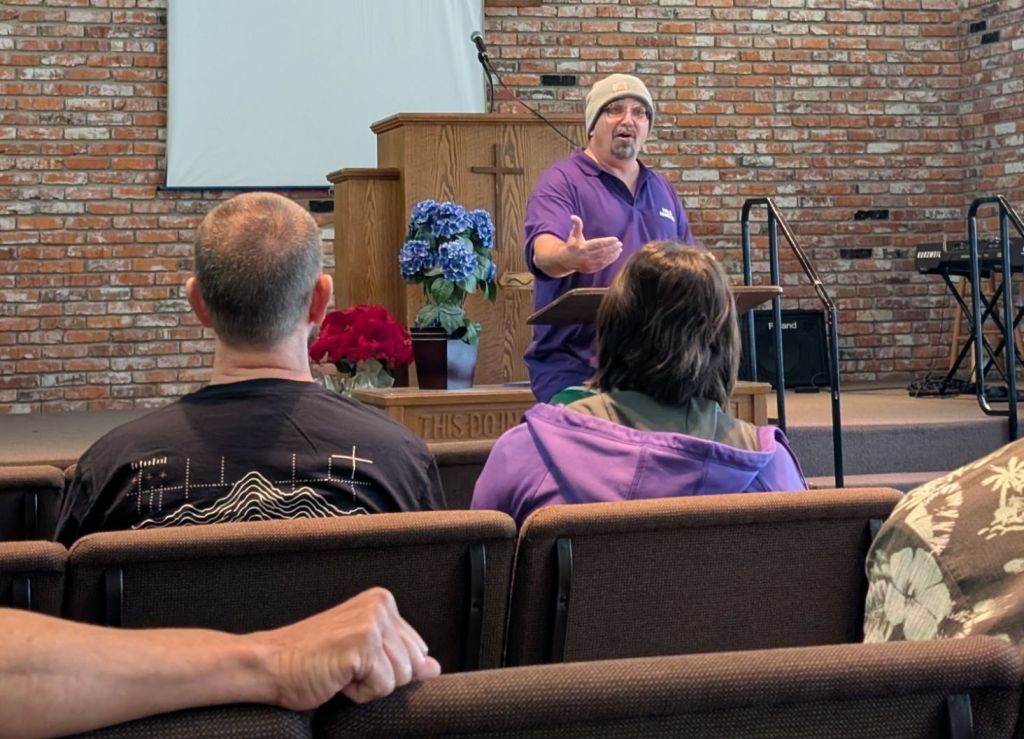
Our last stop on Sunday was a smaller unit (250), about 50 joined us, and I got to preach. They opened with historical spirituals songs of Enslaved African Americans. Worshipping with them in this way, in this place, was sobering. I was both honored and humbled to be welcomed into this church community.
As I was preparing to preach earlier in the week, Holy Spirit led me to the topic of forgiveness and inspired me to share a specific story about extended family hurt and forgiveness that I would not normally be comfortable sharing. I didn’t know why I was being led to teach this, but afterward a young man came up to me wide-eyed, clutching his journal with both hands. He showed me personal study notes from three days earlier in which he had read the same passages and felt convicted to forgive the person he held responsible for his brother’s suicide three years and one day before. Our stories were alike, and our notes were hauntingly similar. I told him that God was speaking to him through the Holy Spirit and affirmed that the hard things the Lord was asking him to do were indeed an appropriate step of forgiveness and reconciliation. We both experienced a little miracle tonight.
Monday Morning
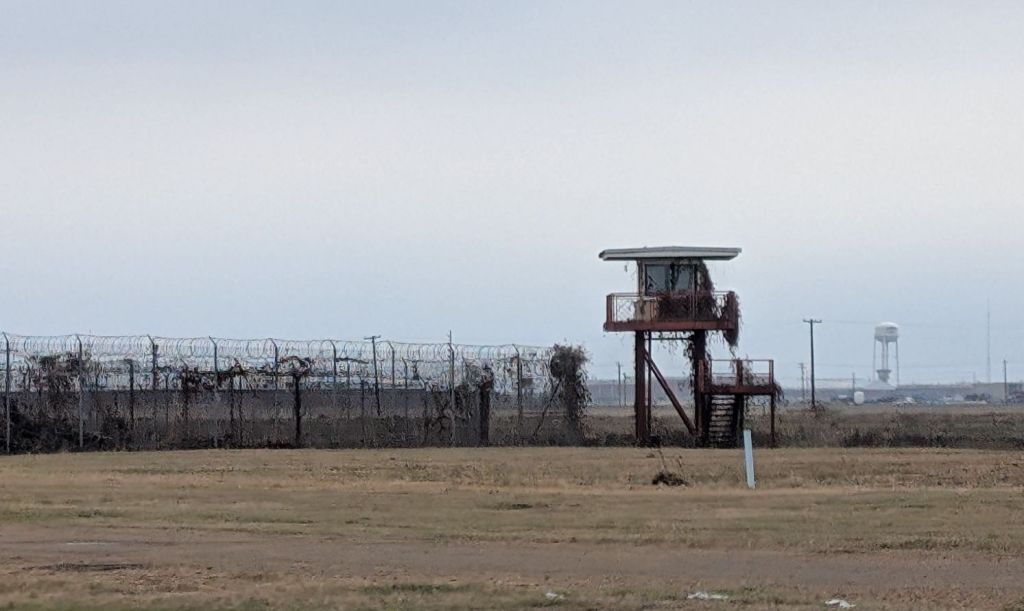
Today our team visited the seminary located in Unit 30. This is the only seminary inside a Mississippi prison, and it’s the largest theological undergrad program in the country. We met students from this prison as well as students who were transported for the day from other prisons just for classes. We learned that Mississippi’s state-wide recidivism rate is 77% over five years, while the percentage of those who reoffend after obtaining a seminary degree is 0.2%… what a shocking difference! I’m so grateful for the work that professors, donors, volunteers, and inmates do to make this program a reality.
Our last stop for this trip was back in Unit 17: “Life Row”. On a Monday morning, the tone was different than the church service, but we still found a surprising amount of hope and positivity in the men we encountered. We learned that over the last year, this unit’s behavior has been so good that, instead of spending 23 hours a day in their cell, they were often allowed to be in their cell, their hall, or out in the yard anytime they wanted between 6am and 10pm. While external security was still intense, I was shocked at how much peace and positivity this freedom brought to the unit. We spent time in the halls and in the yard with the men, listening to their stories, shooting hoops, and praying for them. Many of these men will never leave this facility… One of them, Ricky, came within 24 hours of being executed in 1994 but was granted a stay. He said that his faith had brought him so much peace over the last 35 years that death didn’t feel overwhelming anymore. While he is still fighting to abolish the death penalty in Mississippi as a personal conviction of his own faith, he said that he no longer lives in fear because he has the peace and joy of the Lord in his life.
After stories, jokes, some hoops, and some prayer, it was time to leave. Several of our team could only hold their composure until we were just barely outside of the block. we signed out with tears in our eyes. It’s an odd feeling to walk through a door that some of the men I just met will never be able to walk through. Society says they’ve earned this… but the only thing that makes me different than anyone in that unit is either dumb luck or divine protection. If I were dealt the same hand as some of those men, I cannot confidently say that I wouldn’t be in the same position.
Closing Thoughts
This trip has been a typhoon of thoughts and emotions. As I ask myself what I’m walking away with, here are three thoughts that I hope stuck with me and change how I live my life…
1. The ground is level at the foot of the cross. It’s easy to think that I’m better than somebody else when I haven’t had to navigate the life situations that they were given. A core tenet of the Christian faith is grace: sometimes we get what we don’t deserve. If I want that for myself, I need to be able to extend it to others. Another foundational principle of the Christian faith is mercy: sometimes we don’t get what we do deserve. Keeping these two concepts in mind helps us view everyone with the inherent value that they’ve been given by God, and fight for the dignity that they deserve.
2. The church is the church no matter who it’s made up of, and we all need each other. This is something that’s easy to accept at an intellectual level, but it is a truth that cuts deep the more you experience it. Seeing the men depend on one another for safety, hope, and redemption brought that home to me in a new way this weekend. I also learned so much from them… I’m sure I’m walking away with more blessing than I brought. It’s okay to think that the church inside needs the church outside, but the church outside desperately needs the stories, experience, and maturity of the church that has been tested by the refiner’s fire of incarceration and come out healthier and more whole because of it.
3. The church inside correctional facilities is on fire with Holy Spirit power and life-transforming discipleship. Imagine a discipleship environment that needs to depend fully on the living power of God for survival and also doesn’t have the distractions of technology, rampant consumerism, and endless indulgence (just to name a few). Many of the men I met this weekend told me that prison saved their lives and is refining their souls. Let’s fight the temptation to somehow see these churches and what the Lord’s doing through them as less than, because I assure you, there is a maturity and a power in the prison church that I’ve seldom seen in “free” America.
Here are three notes for the church outside…
1. The church outside needs to be ready to integrate brothers and sisters in Christ back into their communities. As I’ve noted above, there’s a level of loss for some people who are leaving prison. They’ve built relationships and rhythms of growth and accountability that they are now losing. They will be looking for friendship, Church community, and, for many, a new family. The number of men who told me that they don’t have anyone left on the outside was staggering. Are we ready to fill those big shoes of committed covenant community that have been saving their lives for decades?
2. The church outside needs to get used to the idea that the church inside is sending leaders and missionaries more qualified than many of our current members home to our communities. There is a reality that returning citizens will need support in reintegrating into their communities. However, let’s confront and disregard the lie that we are somehow more spiritually mature and ready for Ministry than they are because we have never been incarcerated. Many of these men have been forged in the fire of suffering, waiting, and losing everything except for their faith. They are poised to be powerful partners in the ministry of bringing heaven to Earth. We should not only view them as equals under the mercy and Grace of the cross, but we should be ready to see them as assets with life experience that many of us will never be able to truly identify with.
3. The church inside is being told, by Scripture and mentorship, that Christ’s grace is sufficient to redeem their past and that Holy Spirit can bring healing and purpose to anyone. Are we ready to truly live this out with them when the bars no longer separate us? It takes intentional advocacy and sacrifice to make space for returning citizens who are ready to prove that they have done the work to be safe and stable members of our community. Advocacy is easy when they are not sitting in our normal Sunday worship seat, or asking to be on a Ministry team, or applying for a job at the business we own. When the rubber meets the road, returning citizens need People of Faith who are willing to advocate for their belonging in the church, a chance for them to prove themselves in a job, and to create resources for them to find basic things like housing, transportation, and food security. In a system that is rigged against people with felony convictions, if we’re not actively preparing to make these things available to them, we are essentially violating James’ warning of having a dead faith in Jame 2:14-17: “What good is it, my brothers and sisters, if someone claims to have faith but has no deeds? Can such faith save them? Suppose a brother or a sister is without clothes and daily food. If one of you says to them, “Go in peace; keep warm and well fed,” but does nothing about their physical needs, what good is it? In the same way, faith by itself, if it is not accompanied by action, is dead.”
So, I had a pretty intense weekend, and these are just a few of my experiences and the thoughts I am struggling with. If I had to sum it all up, I would say that the teachings of Jesus demand that we care for every human put into our sphere of influence, and a felony conviction or the death penalty doesn’t change that command. Not all of us are called to care for the incarcerated or formally incarcerated, but if you feel your heart pulled toward this group of people, I invite you to get involved. Here are a couple of things you could do…
- Contact us at 70×7 Life Recovery to become a volunteer, donor, or mentor. I’d be happy to welcome you onto our team for preparing West Michigan to be a safer and healthier place for returning citizens.
- Contact Crossroads Prison Ministries and start corresponding with inmates today as they take their next steps on their discipleship journey.
- Start volunteering in your local jail or prison.
If you’ve read through all of this, and still aren’t feeling a call to support those affected by incarceration, I encourage you to find your thing… What issue brings you holy discontentment? What people group is overlooked and under-served? Lean toward them, give generously, and hold on tight. When we step up for the disenfranchised, our lives are never the same again.
Proverbs 31:8–9: “Speak up for those who cannot speak for themselves, for the rights of all who are destitute. Speak up and judge fairly; defend the rights of the poor and needy.“
Matthew 25:35, 40: “For I was hungry and you gave me something to eat, I was thirsty and you gave me something to drink, I was a stranger and you invited me in… Truly I tell you, whatever you did for one of the least of these brothers and sisters of mine, you did for me.” – Jesus


Leave a Reply